

Herbal Glossary
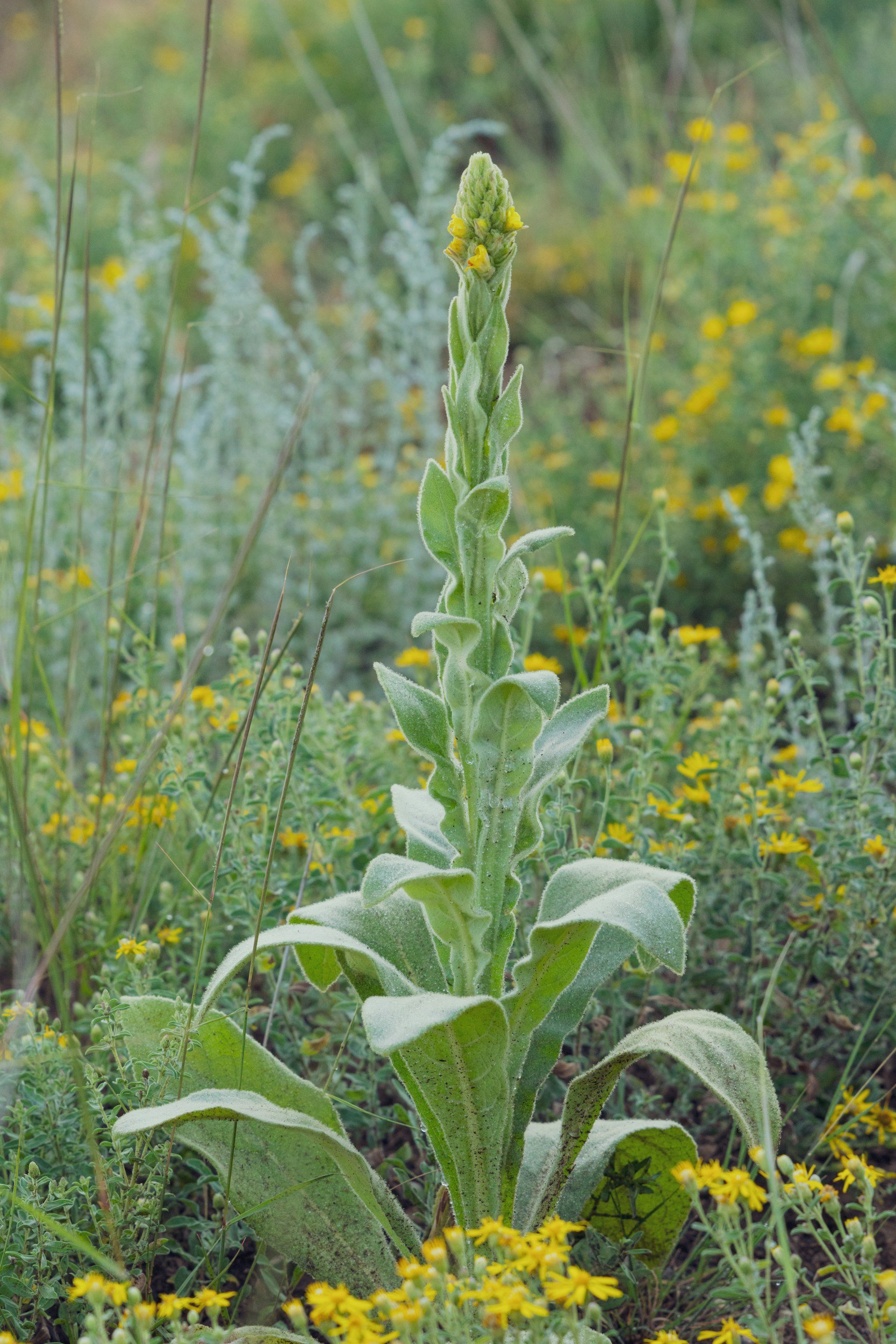
Mullein (Verbascum thapsus) — a tall, woolly biennial herb with soft, velvety leaves and a spike of yellow flowers — has been used across cultures for centuries. At Uncle Jesse’s Herbal Blends, we honor mullein’s traditional uses in our ritualistic smoking blends and teas, prioritizing small-batch quality and respect for plant medicine.
Key benefits and traditional uses
Respiratory support: Mullein is best known for easing respiratory discomfort. It’s traditionally used to soothe coughs, bronchial irritation, and congestion. Its expectorant properties can help loosen mucus and support clearer breathing.
Soothing inflammation: The herb has demulcent and mild anti-inflammatory actions, which may calm irritated mucous membranes in the throat and chest.
Antimicrobial properties: Mullein contains compounds with mild antimicrobial and antiviral activity, supporting the body’s defenses in upper respiratory conditions.
Gentle relaxant: Traditionally used as a nervine, mullein can have calming effects that support relaxation and ease tension when taken as a tea or in a smoke blend ceremonially.
Ear care (topical): Infused mullein oil has a long folk-history as a remedy for ear discomfort; this use is external and should be approached cautiously and, when appropriate, under guidance from a healthcare professional.
Skin-supportive uses: The demulcent nature of mullein makes it gentle on skin; infused oils or poultices have been applied to minor irritations and inflammation.
Forms and preparations
Tea/infusion: Steep dried mullein leaf or flowers (sifted to remove tiny hairs) for a soothing respiratory tea. Combine with elderflower, licorice root, or peppermint for flavor and supportive synergy.
Smoking blends: In ritual and ceremonial contexts, mullein is prized for its smooth, airy smoke that’s gentle on the lungs. We craft our smoking blends to honor tradition and quality, using well-sifted mullein to reduce irritation.
Tincture: Alcohol extracts capture constituents for more concentrated, convenient dosing.
Oil infusions: For topical use, mullein-infused oil is used cautiously for ear or skin applications.
Safety and precautions
Leaf hairs: Mullein leaves are covered in fine hairs that can irritate the throat or skin. Use well-sifted leaf or properly strained infusions; when making teas, allow sediment to settle and pour carefully or use a fine strainer.
Pregnancy and breastfeeding: Safety data are limited. Avoid or consult a healthcare provider before using mullein internally during pregnancy or lactation.
Ear use caution: Do not insert anything into the ear canal. Use mullein oil only externally and consult a professional for serious ear issues.
Smoking risks: Any smoke inhalation carries respiratory risk, especially for people with asthma or chronic lung disease. Use caution and consult a clinician if you have respiratory conditions.
Drug interactions: Mullein is generally gentle, but check with a healthcare provider if you take prescription medications or have chronic health conditions.
Sourcing and mindful use
We prioritize small-batch, sustainably harvested mullein for maximum potency and minimal environmental impact. Respectful, informed use honors both the plant and the traditions that carry its wisdom.
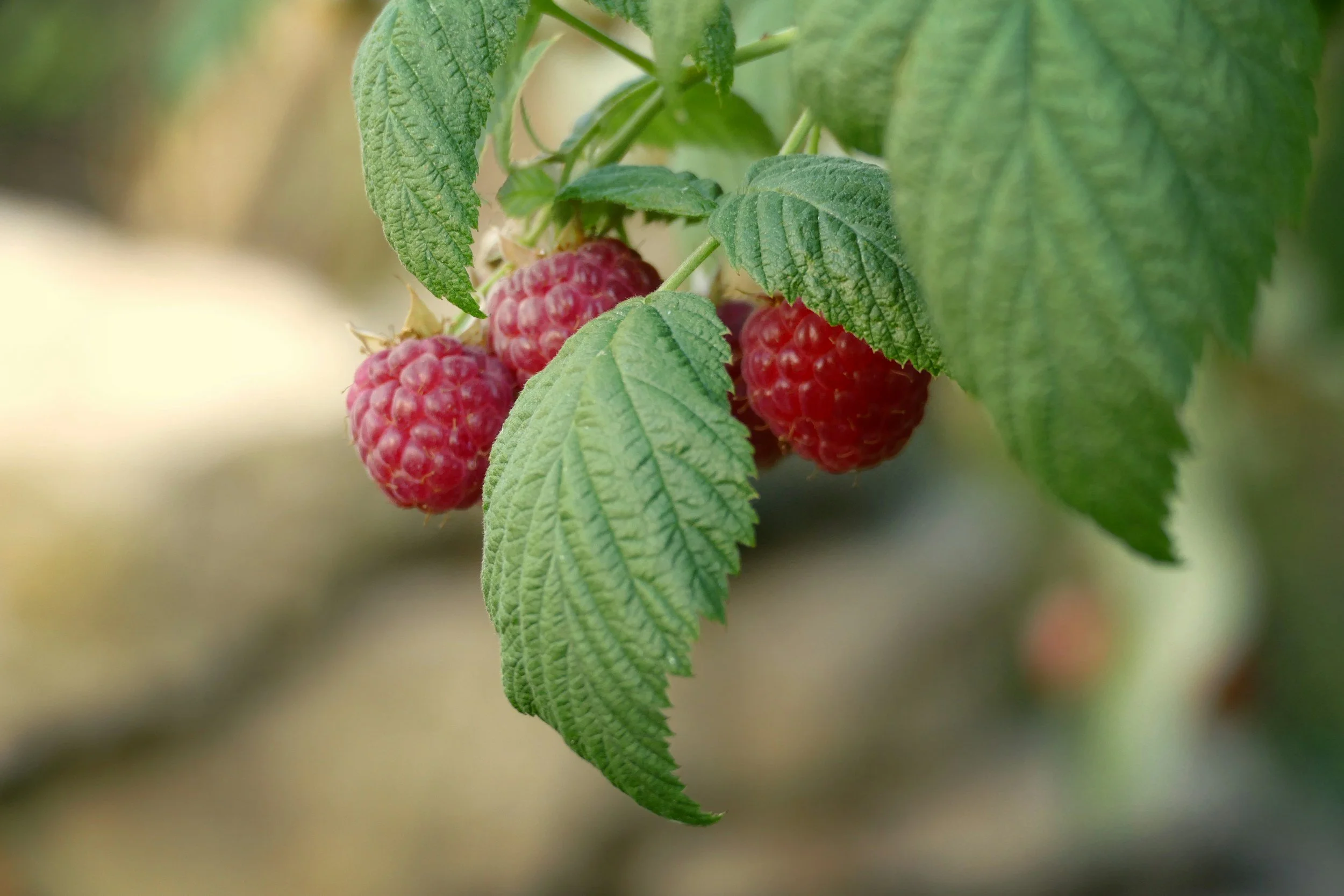
Red Raspberry Leaves
Red Raspberry Leaves — Benefits and Uses
Red raspberry leaf (Rubus idaeus) is prized in herbal traditions for its nutrient-rich profile and supportive effects, especially in reproductive health and overall wellness. At Uncle Jesse’s Herbal Blends, we respect its history and use it thoughtfully in small-batch, ritual-ready blends and teas.
Key constituents
Vitamins: notably vitamin C and small amounts of B vitamins.
Minerals: calcium, magnesium, iron, and potassium.
Tannins: astringent compounds that can tone tissues.
Flavonoids and phenolic compounds: antioxidant activity.
Fragarine and other alkaloid-like substances: traditionally linked to uterine tonic effects.
Primary benefits
Uterine support and labor preparation: Red raspberry leaf is widely used as a uterine tonic. Traditional and some clinical observations suggest it can help tone uterine muscles and may support more efficient contractions during labor when used in late pregnancy. Many herbalists recommend it in the third trimester; however, pregnant people should consult their healthcare provider before use.
Menstrual health: The astringent and toning properties can help regulate heavy or irregular menstrual bleeding and ease cramping for some people.
Digestive support: Tannins and mild astringency may soothe mild gastrointestinal upset and reduce inflammation in the gut lining.
Nutritional supplementation: As a mild source of minerals (notably calcium and magnesium) and vitamin C, it can contribute supportive nutrients when included as a regular tea.
Anti-inflammatory and antioxidant effects: Flavonoids and phenolics confer antioxidant activity that supports general cellular health and helps modulate inflammation.
Common preparations and dosing
Tea/infusion: 1–2 teaspoons dried leaf per cup; steep 5–15 minutes. For stronger uterine tonic effects, some traditions recommend longer, concentrated infusions or repeated daily cups.
Tincture: Used at lower doses; follow practitioner guidance.
Capsules: Follow product dosing; standardized potency varies.
Safety and precautions
Pregnancy: Widely used in late pregnancy to tone the uterus, but timing and dosage matter. Always consult a qualified healthcare provider or midwife before use during pregnancy. Avoid high doses
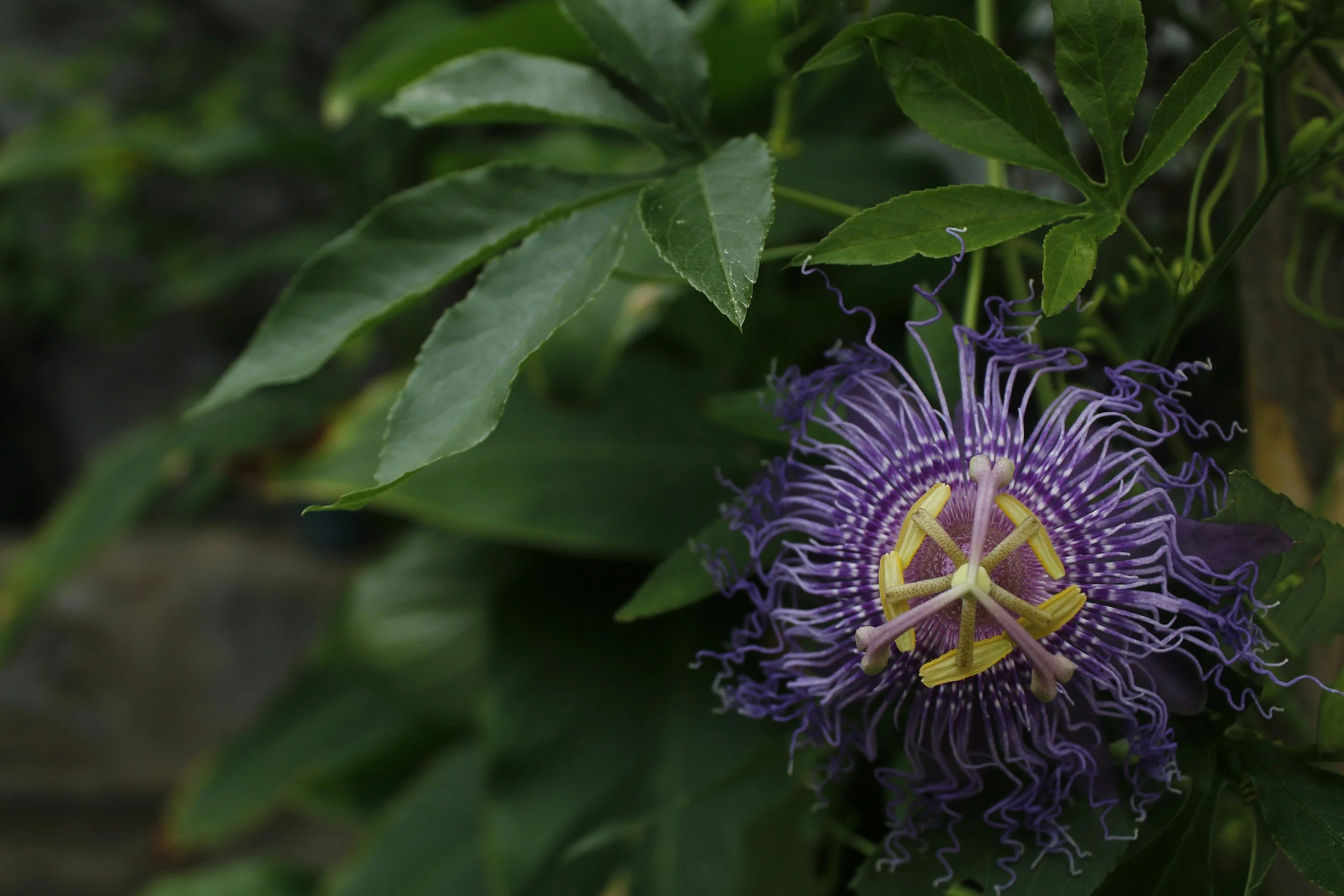
Passionflower (Passiflora incarnata and related species) — benefits, uses, and practical guidance
Overview Passionflower is a climbing vine used traditionally for nervous-system support. Its leaves and stems are commonly made into teas, tinctures, extracts, and occasional smoking or vapor blends. At Uncle Jesse’s, we honor its ritual and calming heritage by formulating small-batch blends that emphasize quality and respect for the plant.
Key benefits
Anxiety reduction: Clinical and traditional use shows passionflower can reduce symptoms of generalized anxiety. Studies suggest modest anxiolytic effects comparable to some low-dose prescription anxiolytics for short-term use.
Sleep support: Passionflower is frequently used to improve sleep quality and reduce sleep latency (time to fall asleep). It’s often combined with mild sedative herbs (like chamomile or valerian) for enhanced effect.
Nervous-system calming: The herb supports a gentle calming effect on the central nervous system, useful for acute nervous tension, restlessness, and mild situational stress.
Menopausal symptom relief: Some studies indicate passionflower can help reduce mood-related menopausal symptoms, such as anxiety and sleep disturbances.
Mild analgesic and antispasmodic properties: Traditional use and some research show it can help ease muscle tension and mild cramping.
How it works (brief pharmacology) Active constituents include flavonoids (like chrysin and vitexin), harmala alkaloids in small amounts, and other phenolic compounds. These constituents interact with GABAergic pathways and possibly modulate benzodiazepine binding sites, which contributes to its calming and sleep-promoting effects.
Common preparations and dosing
Tea (infusion): 1–2 teaspoons dried herb per cup; steep 10–15 minutes. Drink 1–2 cups in the evening for sleep or up to 3 times daily for anxiety.
Standardized extracts/tinctures: Typical extract doses range from 0.5–1.5 mL of tincture (1:5 in ethanol) 2–3 times daily, or dosed according to product standardization instructions.
Capsules: Follow label instructions; common herbal supplement doses are 250–500 mg standardized extract taken 1–3 times daily.
Smoking blends: In some ritual or herbal smoking blends, small amounts of passionflower leaf contribute calming, cerebral notes; used sparingly and respectfully.
Safety, precautions, and interactions
Generally well tolerated when used short-term at recommended doses.
Sedation: May increase drowsiness—avoid driving or operating machinery
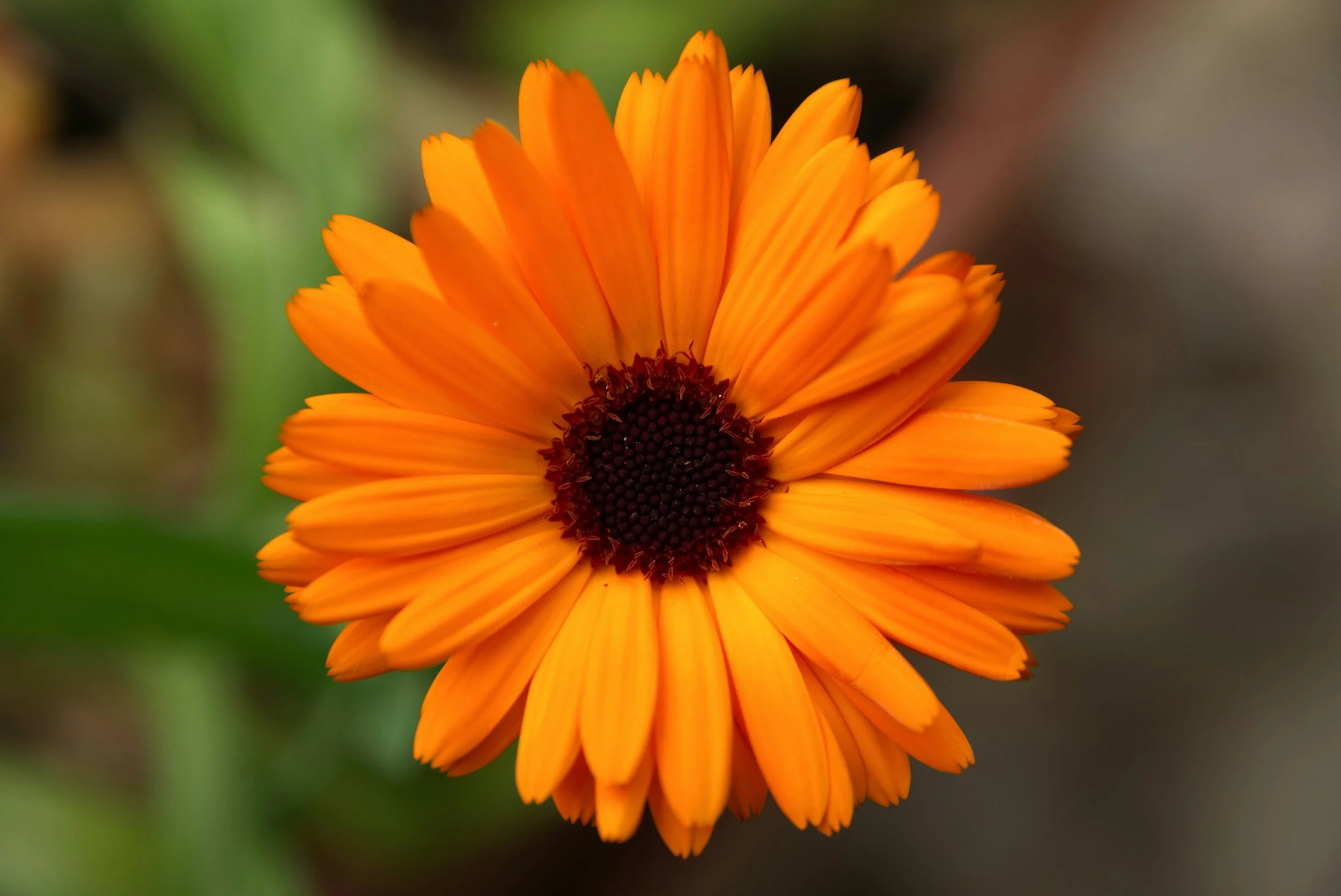
Calendula (Calendula officinalis), often called pot marigold, is a versatile, easy-to-grow herb valued for its bright orange-yellow flowers and a long history of medicinal, cosmetic, and culinary use. At Uncle Jesse’s Herbal Blends, we honor calendula for its gentle, restorative properties—perfect for ritual use, topical care, and soothing teas.
Key benefits
Soothing skin support: Calendula is widely used topically for its anti-inflammatory and wound-healing properties. It helps calm irritated skin, reduce redness, and support the repair of minor cuts, scrapes, burns, and diaper rash. It’s commonly found in salves, balms, and infused oils because it promotes tissue regeneration and helps reduce swelling.
Antimicrobial and antiseptic action: Calendula contains compounds (triterpenoids, flavonoids) that exhibit mild antimicrobial and antifungal effects. This makes calendula useful in preventing infection in minor skin injuries and in formulations intended to maintain skin hygiene and balance.
Anti-inflammatory properties: Both topical and internal use can benefit from calendula’s anti-inflammatory constituents. Internally, gentle calendula preparations can support mucous membranes and help calm inflammatory conditions of the digestive tract and oral cavity.
Gentle wound and scar support: Calendula promotes collagen production and healthy tissue formation, which helps wounds heal more cleanly and can minimize scarring when used consistently during the healing phase.
Soothing for sensitive complexions: Because calendula is generally non-irritating, it’s a frequent choice for formulations for sensitive, reactive, or dry skin—useful in facial oils, creams, and after-sun treatments.
Menstrual and uterine support: Traditionally, calendula has been used to ease menstrual cramping and help regulate menstrual flow. It’s considered emmenagogue and uterine tonic in herbal tradition, so those who are pregnant or trying to conceive should consult a healthcare provider before internal use.
Digestive support: Mild calendula teas have been used to soothe gastritis, ulcers, and general digestive inflammation. Its demulcent and anti-inflammatory actions make it a gentle option for calming the gut.
Oral health: Calendula can be used as a mouthwash or gargle to soothe sore throats, gingivitis, and oral ulcers due to its antibacterial and anti-inflammatory qualities.
Forms and uses
Infused oil: Calendula flowers infused in a carrier oil make a versatile base for salves, balms, and massage oils. Our small-batch infusions capture the plant’s skin-soothing properties and are ideal for topical application.
Salve and balm: Concentrated infused oil turned into a salve with beeswax provides long-lasting skin protection and targeted wound care.
Tincture: Alcohol or glycerite tinctures provide a shelf-stable, concentrated extract for internal or external use; dosing should follow herbalist guidance.
Tea: A mild calendula infusion (tea) is soothing for throat or digestive discomfort. Combine with chamomile or lemon balm for additional calming effects.
Compress or wash: Calendula tea or decoction can be used as a warm compress for injured skin or as a soothing wash for irritated areas and mucosal surfaces.
Safety and precautions
Allergies: People allergic to plants in the Asteraceae/Compositae family (ragweed, daisies, chrysanthemums) may react to calendula. Patch-test topical products if you have sensitivities.
Pregnancy and fertility: Calendula can influence uterine activity; internal use is not recommended during pregnancy unless supervised by a qualified practitioner. Consult a healthcare professional when pregnant, breastfeeding, or trying to conceive.
Interactions: Calendula is generally mild, but those on immunosuppressive drugs or with serious health conditions should consult a provider before therapeutic use.
Growing and harvesting notes
Easy to grow: Calendula thrives in full sun to partial shade and tolerates a range of soils. Regular deadheading extends bloom time.
Flower harvest: Harvest flowers when fully open and dry naturally before storing. Dried petals retain color and medicinal qualities for teas, infusions, and topical preparations.
Practical ritual and everyday uses
Ritual incense or bundle: Dried calendula petals add color and a gentle, uplifting energy to ceremonial bundles and smudge mixes.
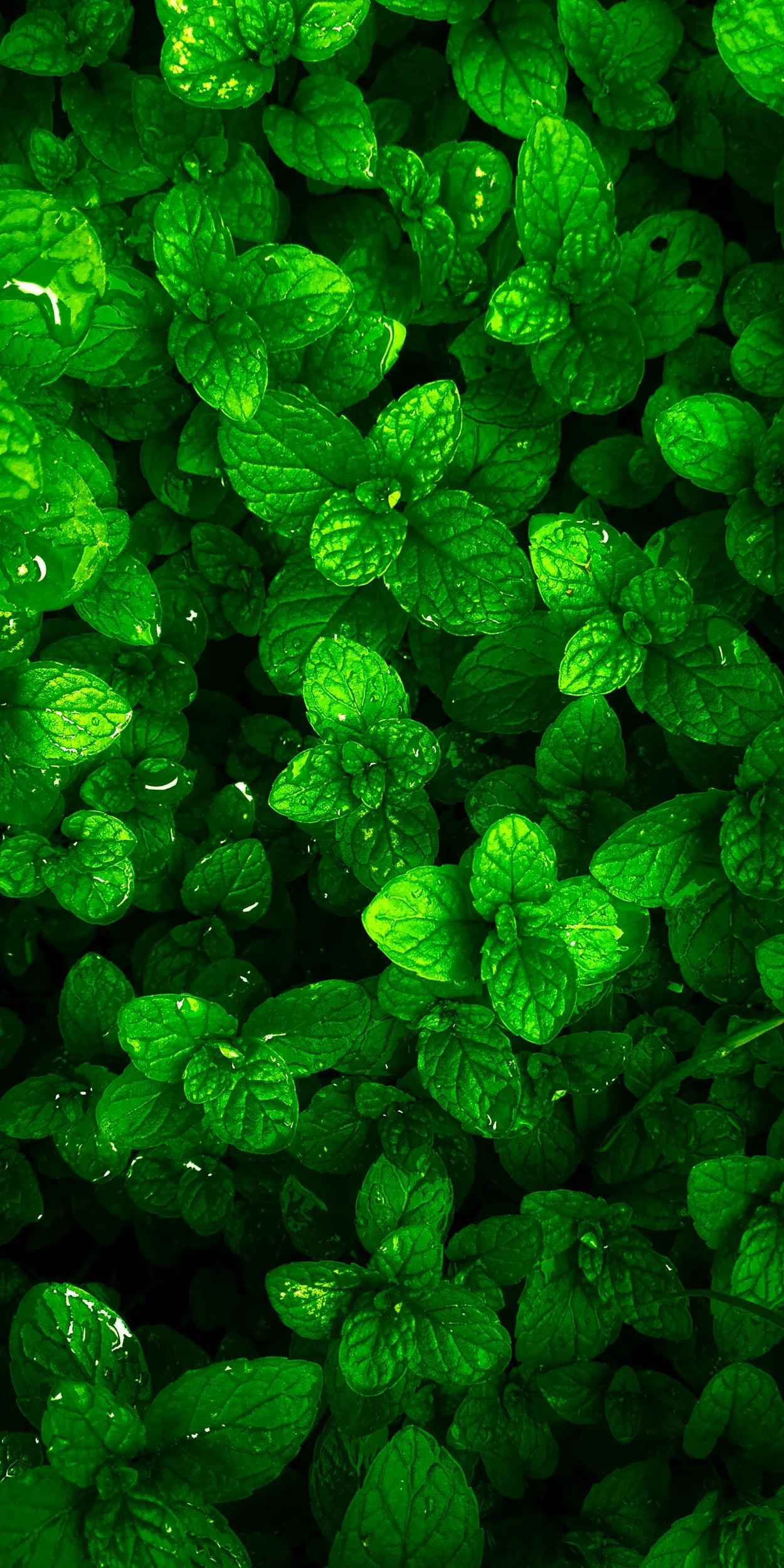
Spearmint and Its Benefits
Overview
Spearmint (Mentha spicata) is a perennial herb with bright green, serrated leaves and a cool, sweet aroma. Widely used in culinary, medicinal, and ritual contexts, spearmint offers a gentle, refreshing profile compared with the stronger menthol character of peppermint. At Uncle Jesse’s Herbal Blends, we value spearmint for its versatility, soothing qualities, and clean, uplifting scent.
Key Benefits
Digestive support
Spearmint relaxes the gastrointestinal tract and can help ease indigestion, bloating, and mild cramping. It’s often used as a calming post-meal tea.Breath freshening and oral care
The fresh, minty flavor helps neutralize odors and promote a clean mouthfeel. Spearmint is a common ingredient in natural mouth rinses and toothpastes.Mild respiratory relief
The cooling aroma can ease nasal congestion and soothe irritated airways, making spearmint useful for light respiratory support during seasonal sniffles.Calming and mood uplift
The soft, sweet scent of spearmint has gentle anxiolytic and uplifting effects for many people, promoting mental clarity without overstimulation.Antioxidant properties
Spearmint contains polyphenols and flavonoids that act as antioxidants, helping protect cells from oxidative stress.Hormonal and cognitive support (preliminary evidence)
Some studies suggest spearmint extracts may support hormonal balance and cognitive function, though results vary and more research is needed.
Common Uses
Herbal tea: Infuse fresh or dried leaves for a soothing warm or iced tea. Combine with chamomile, lemon balm, or green tea for layered effects.
Smoking blends: Adds a sweet, cool note and smooths harsher herbs when used in ritual smoking blends.
Aromatherapy: Steam inhalation or simple sachets for a refreshing aromatic boost.
Culinary: Add fresh leaves to salads, sauces, chutneys, and desserts for brightness.
Topical preparations: Infused oils and salves for a cooling sensation (avoid broken skin and test for sensitivity).
Preparation Tips
Tea: Use 1–2 teaspoons of dried leaves or a handful of fresh leaves per 8 oz (240 ml) of hot water. Steep 5–10 minutes, strain, and enjoy.
Smoking: Blend sparingly with your chosen base herbs; start with small ratios to find a balance that produces a pleasant flavor and aroma.
Storage: Keep dried spearmint in an airtight container, away from light and heat, to preserve aroma and potency.
Safety and Contraindications
Generally recognized as safe in culinary amounts.
Use caution with concentrated extracts or large medicinal doses—consult a healthcare professional if pregnant, breastfeeding, taking medication, or managing a chronic condition.
Rare allergic reactions or skin sensitivity can occur—perform a patch test before topical use.
Mentha species can interact with certain medications; seek medical advice if you have concerns.
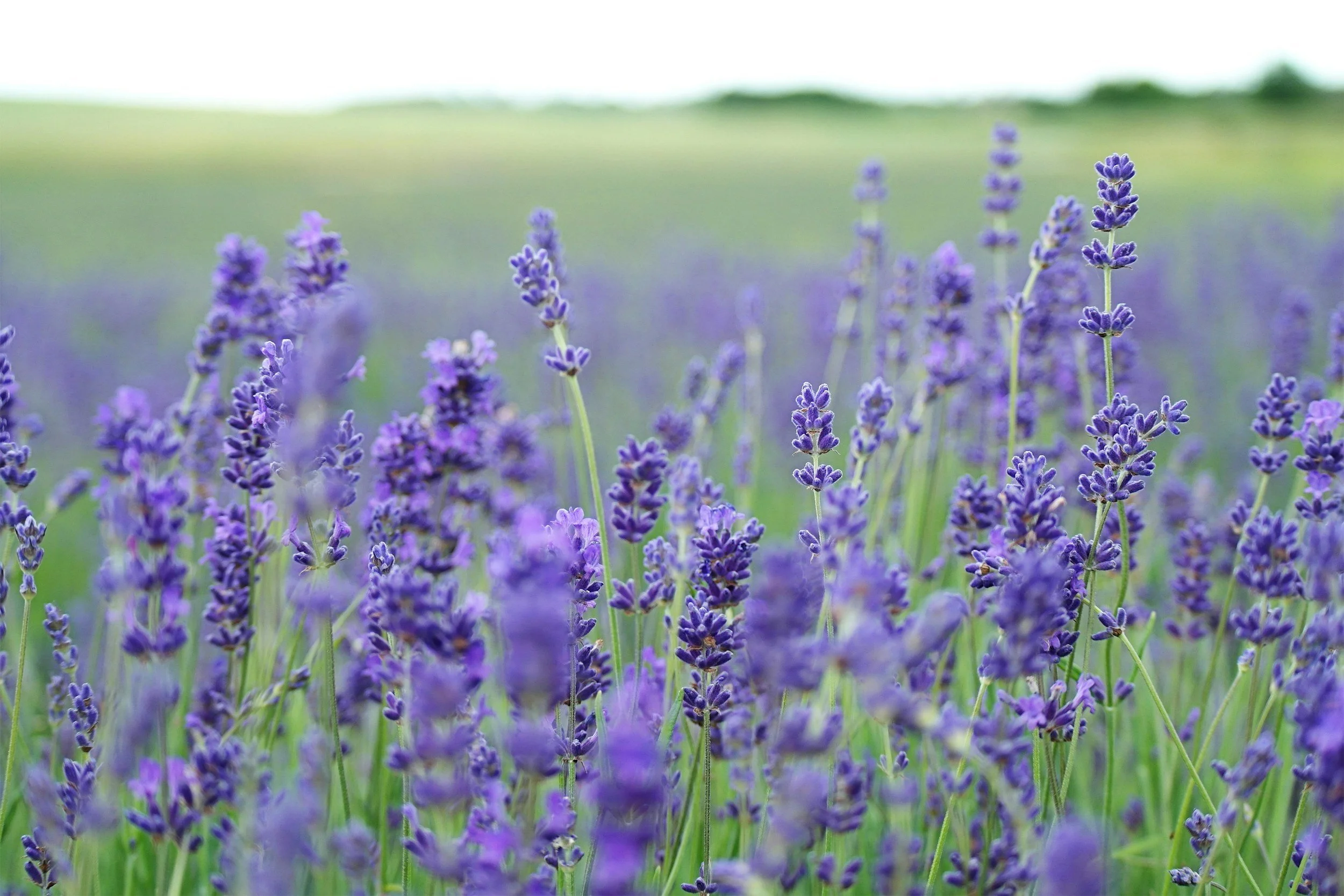
Lavender and Its Benefits
Lavender (Lavandula spp.) is a fragrant, flowering herb long prized for its calming scent and versatile uses in herbalism, aromatherapy, and ritual practice. At Uncle Jesse’s Herbal Blends, we honor lavender’s tradition by incorporating it into small-batch ritual blends and artisanal teas to support relaxation, sleep, and mindful practice.
Main Benefits
Promotes relaxation and reduces stress: Lavender’s aroma is well-known for its soothing effect on the nervous system. Inhalation (via sachets, steam, or diffused essential oil) can help lower feelings of anxiety and encourage a calmer state of mind.
Supports healthy sleep: Research and traditional use both point to lavender’s gentle sedative qualities. A cup of lavender tea before bed, a pillow sachet, or a linen spray can improve sleep onset and perceived sleep quality.
Eases mild tension and headaches: Applying diluted lavender topically or inhaling its scent can help relieve tension-type headaches and reduce muscle tightness in some users.
Gentle digestive support: As a tea, lavender may help soothe mild digestive discomfort like indigestion or an unsettled stomach when used occasionally and in moderate amounts.
Antimicrobial and wound-care properties: Lavender contains compounds with mild antimicrobial effects; traditionally, it has been used in poultices and infused oils to support minor skin irritations and promote healing when used properly.
Mood balancing and emotional clarity: Lavender’s scent can create space for mindful practice and ritual, aiding emotional grounding and clarity during meditation, prayer, or other ceremonial uses.
Forms of Use
Tea: A gentle infusion—alone or blended with chamomile, lemon balm, or rose—supports relaxation and sleep.
Aromatherapy: Diffusion, inhalation, or steam inhalation for stress relief and respiratory ease.
Topical: Infused oils, lotions, or diluted essential oil for massage, head rubs, or minor skin care (always perform a patch test and dilute properly).
Sachets & sleep pillows: Placed under pillows or near bedding to promote restful sleep.
Ritual & smudging: Used in hand-crafted ritual blends to cleanse space, set intention, and create a calming atmosphere.
Safety & Usage Notes
Use in moderation: Lavender is generally safe for most adults when used as a tea or aromatically. Excessive ingestion of essential oil is unsafe.
Essential oil caution: Always dilute essential oil before applying to skin. Do not ingest essential oils unless under guidance from a qualified practitioner.
Pregnancy and breastfeeding: Consult a healthcare provider before use—some forms and doses may not be recommended.
Allergies and sensitivities: People with plant allergies, or who are sensitive to fragrances, should test small amounts first.
Children and pets: Lavender tea in mild amounts is sometimes used for children, but essential oils should be used cautiously or avoided around infants and pets. Check species-specific safety for pets, as some animals are sensitive to essential oils.
Selecting Quality Lavender
Source and variety: Lavandula angustifolia (English lavender) is prized for its gentle aroma and culinary safety; Lavandula x intermedia (lavandin) has a stronger scent and different chemical profile. Choose according to intended use.
Appearance and aroma: High-quality dried lavender maintains a clear floral scent and intact buds. Avoid blends that use excessive stems or fillers.
Preparation: For tea, use moderate amounts (typically 1–2 teaspoons dried flowers per cup) and steep 5–10 minutes to extract aroma without bitterness.
Why We Use Lavender at Uncle Jesse’s
Lavender aligns with our holistic, ritual-focused approach: it grounds the senses, supports restful practice, and pairs beautifully with other botanicals in small-batch blends. Whether you’re winding down after a long day, creating a calming ritual, or crafting a sleep-supportive tea, lavender brings a timeless, gentle presence.
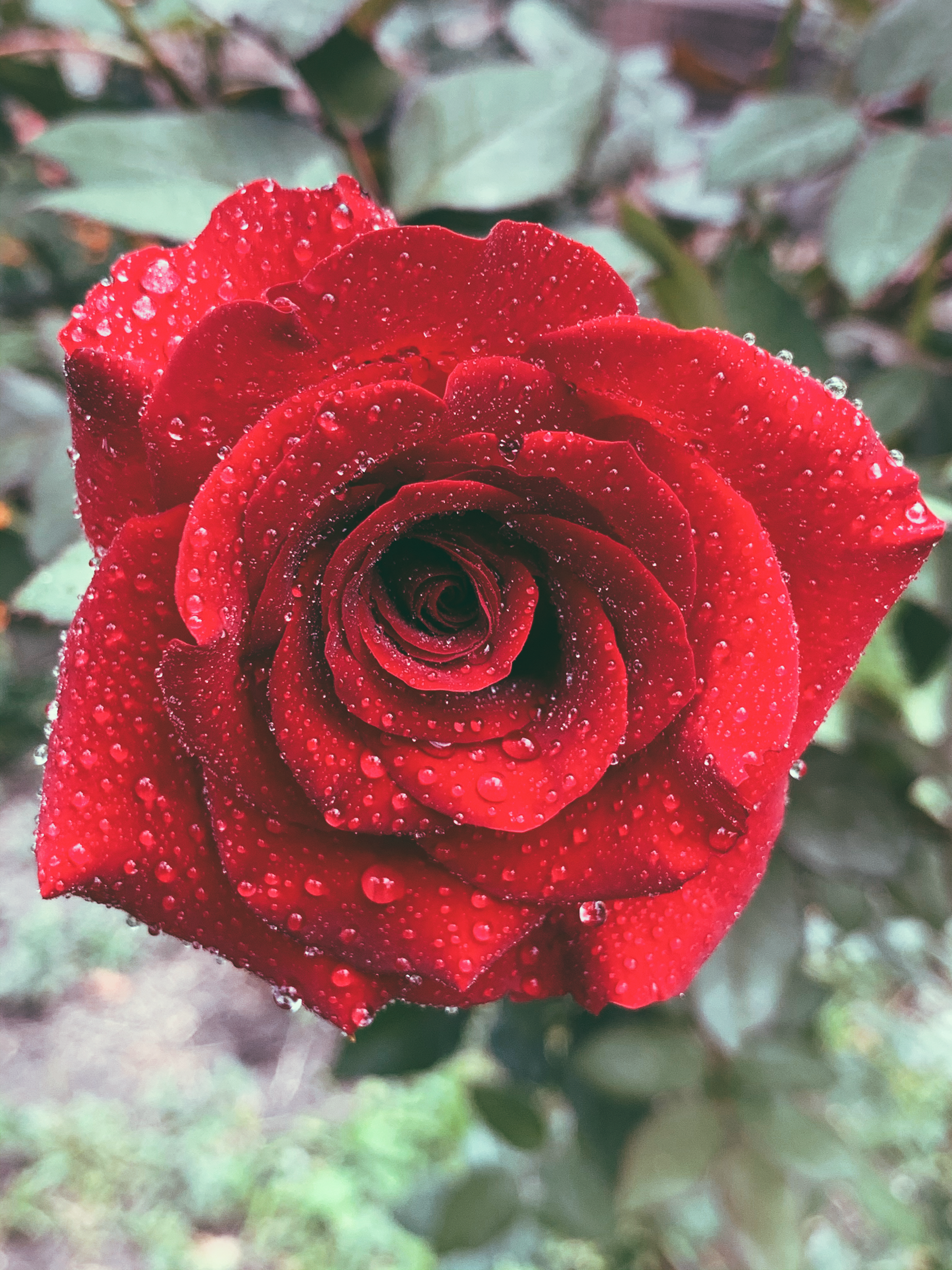
Rose and its benefits
Rose (Rosa spp.) — revered for its fragrance, beauty, and long history in herbal medicine and ritual — offers a range of sensory, emotional, and physical benefits. At Uncle Jesse’s Herbal Blends, we honor rose for its gentle, grounding properties in both our ritualistic smoking blends and artisanal teas. Below is a practical guide to rose’s key benefits and common uses.
Aromatic and emotional benefits
Calms the nervous system: Rose scent is widely used to reduce stress and anxiety, promoting relaxation and emotional balance.
Uplifts mood: The floral aroma can help ease mild depression and lift spirits, supporting a sense of well-being.
Heart-centered energetics: Traditionally associated with the heart chakra, rose is used in rituals and meditative practices to foster self-love, compassion, and emotional healing.
Grounding ritual element: In ceremonial smoking blends or incense, rose anchors intention with warmth and gentleness.
Support for sleep and relaxation
Mild sedative effects: Rose infusions and steam inhalation can help promote restful sleep and soothe restlessness.
Tension relief: Drinking a warm rose tea before bed or using rose in an evening smoking blend can aid in unwinding after a stressful day.
Digestive and mild tonic actions
Soothes the digestive tract: Rose tea has historically been used for mild stomach upset, bloating, and to support healthy digestion.
Astringent and tonic: Rose petals and hips contain tannins and other constituents that can have mild astringent, toning effects on mucous membranes.
Skin and topical benefits
Cooling, soothing compresses: Rose water or cooled rose tea applied as a rinse or compress can calm irritated skin, reduce redness, and support a refreshed complexion.
Antioxidant-rich: Rose hips are high in vitamin C and other antioxidants, supporting skin health and gentle protective action.
Immune-nourishing properties
Vitamin C source: Rose hips are one of the richer botanical sources of natural vitamin C, supporting immune function and collagen production when consumed as teas or tinctures.
Antioxidant support: Compounds in rose help counter oxidative stress in the body.
How rose is commonly used
Rose tea: Made from petals or hips; soothing, aromatic, and supportive of digestion and relaxation.
Herbal smoking blends: Rose petals are blended to add floral aroma, emotional balance, and ritual meaning without overpowering other botanicals.
Rose water and steam: For facial care, inhalation, and gentle topical use.
Tinctures and syrups: Concentrated forms using hips for immune support and vitamin C content.
Baths and ritual offerings: Petals and infused waters for ceremonial and self-care practices.
Safety and considerations
Use quality plant material
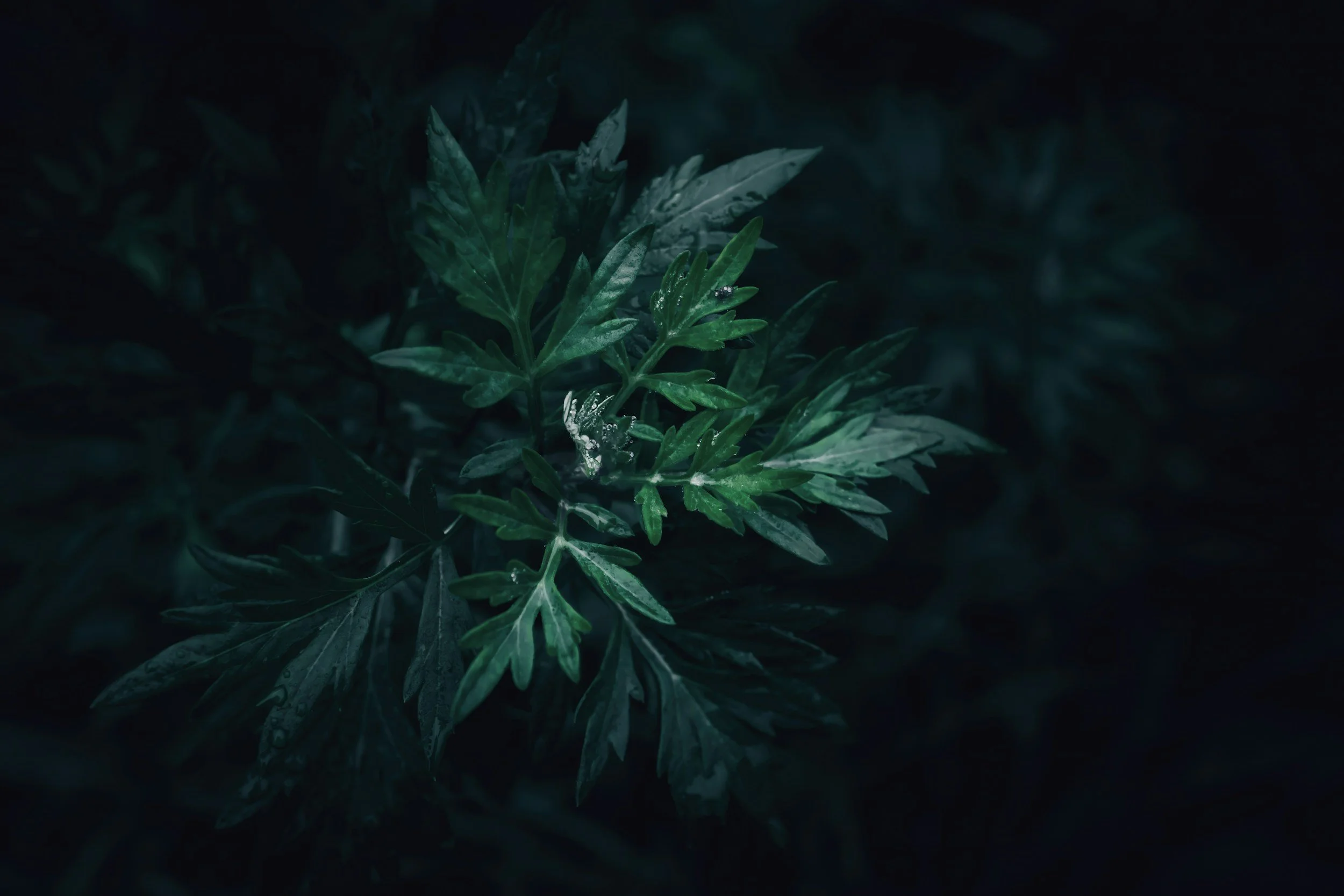
Mugwort (Artemisia vulgaris) — an aromatic perennial in the Artemisia family — has a long history of use across Europe, Asia, and the Americas for folk medicine, ritual, and dreamwork. At Uncle Jesse’s Herbal Blends, we respect mugwort’s traditional roles and emphasize safe, informed use.
What mugwort is
A hardy herb with silver-green, aromatic leaves and small clustered flowers.
Common names include mugwort, common wormwood, and sailor’s tobacco.
Traditionally harvested in summer when essential oils are most concentrated.
Traditional and contemporary uses
Dream enhancement: Mugwort has been used historically as a oneirogenic herb to support vivid dreaming and dream recall when brewed as a tea or placed under a pillow.
Ritual and smudging: Burned as a smudge or used in smoke blends for spiritual clearing, protection, and to encourage visionary states.
Mild digestive support: Traditionally taken as a tea to ease indigestion, bloating, and mild gastrointestinal cramps.
Menstrual support: Historically used to help regulate menstrual cycles and ease menstrual discomfort (use cautiously; see safety).
Nervine/mild calming: Employed for light calming effects and to support relaxation before sleep.
Topical uses: Sometimes used externally in poultices or infused oils for muscle aches and skin conditions (patch-test for sensitivity).
Forms commonly used
Dried leaf for tea and smudging.
Smoked or blended in ritual smoking mixtures (as we craft at Uncle Jesse’s).
Tinctures and glycerites.
Essential oil and hydrosol (concentrated, requires care; not commonly used internally).
What modern research suggests
Limited clinical research exists; much evidence is traditional or from small studies.
Some studies on Artemisia species indicate antimicrobial, antioxidant, and anti-inflammatory constituents, but effects vary by species and preparation.
Research into dream effects is largely anecdotal and based on ethnobotanical reports rather than controlled trials.
Safety and precautions
Contains thujone in some Artemisia species; excessive internal use can be neurotoxic. Use moderate amounts and avoid concentrated preparations without professional guidance.
Not recommended during pregnancy or breastfeeding — mugwort may stimulate uterine activity and is considered potentially abortifacient.
People with allergies to plants in the Asteraceae/Compositae family (ragweed, chrysanthemums, marigolds) can be allergic to mugwort; topical use can cause dermatitis in sensitive individuals.
Interactions: May interact with medications, especially sedatives, blood thinners, or herbs that affect liver enzymes. Consult a healthcare provider if you’re on medication.
Not for use in young children without professional advice.
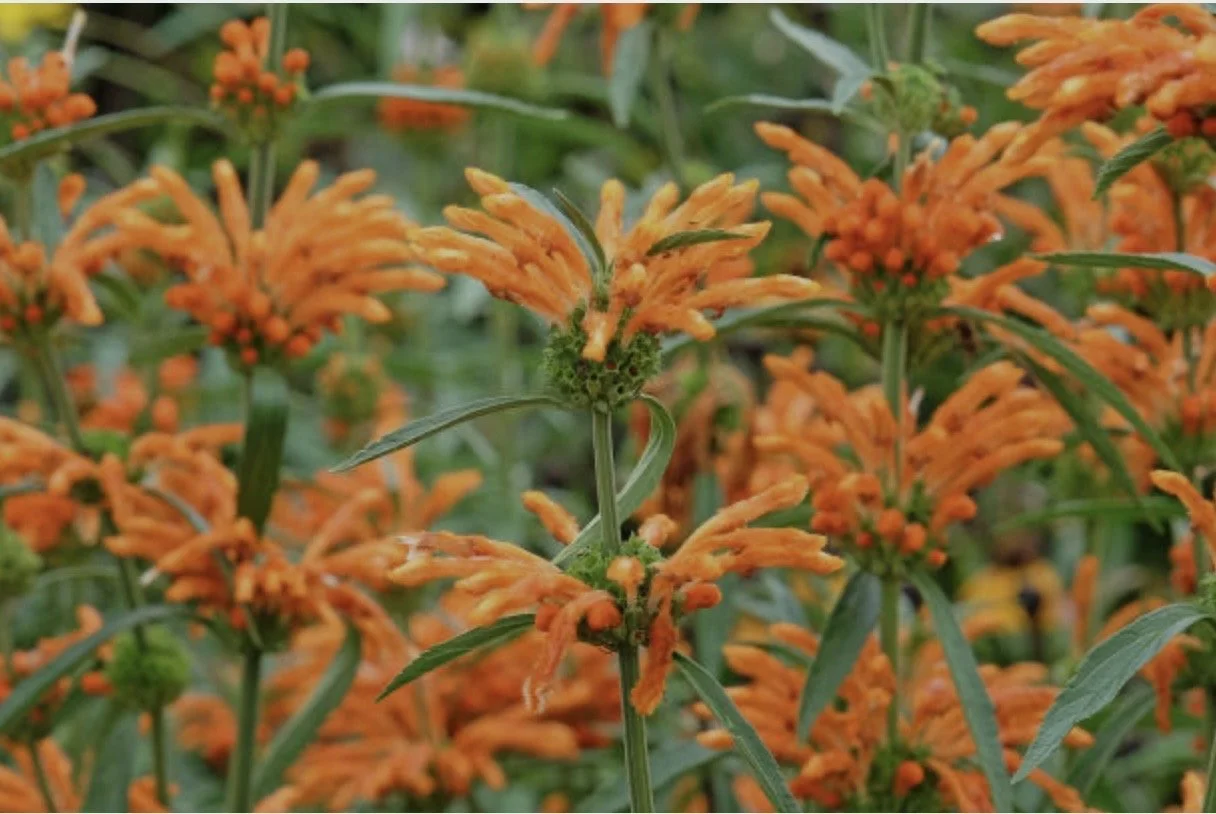
Wild dagga (Leonotis leonurus), also known as lion's tail, is a flowering plant native to southern Africa, valued in traditional herbalism for its calming, mildly euphoric, and anti-inflammatory properties. At Uncle Jesse’s Herbal Blends, we work with responsibly sourced wild dagga in our ritual blends and teas, honoring its traditional uses while emphasizing careful, mindful consumption.
What wild dagga is
A member of the mint family with bright orange tubular flowers.
Traditionally used in southern African cultures for respiratory support, relaxation, and mild mood elevation.
Consumed as a smoked herb, vaporized, or steeped into teas; also used topically in poultices in folk practice.
Primary benefits and traditional uses
Relaxation and mild anxiolytic effects: Many users report a calming, grounding effect—helpful in ritual settings, evening blends, or to ease tension.
Mild euphoria or mood lift: Wild dagga can produce subtle uplifting sensations without the intensity of stronger psychoactive plants.
Respiratory support: Historically used for coughs and congestion; when combined with other gentle expectorant herbs it can help soothe airways (note: smoking any plant may irritate lungs).
Anti-inflammatory and analgesic properties: Used topically and internally in folk medicine to ease aches and inflammation.
Antispasmodic effects: Helpful for mild muscle tension or cramps in some traditional uses.
How it’s used
Smoking blends: Often included in small proportions with other herbs to provide calming, ritual-ready smoke. We craft small-batch blends to balance flavor and effect.
Herbal teas: Steeped lightly for a warm, calming infusion; combining with chamomile or lemon balm enhances relaxation.
Vaporizing: Lower-temperature vaporization can extract aromatic compounds while reducing combustion-related irritants.
Topical preparations: Infused oils or poultices used externally for localized relief (prepared separately and applied with care).
Safety, precautions, and responsible use
Start low: Effects vary by person; begin with a small amount to assess sensitivity.
Avoid heavy smoking: Inhalation of any combusted plant matter may irritate lungs and airways. Prefer vaporizing or tea for respiratory concerns.
Not for pregnant or nursing people: As with many herbs with active constituents, avoid during pregnancy and breastfeeding unless cleared by a healthcare provider.
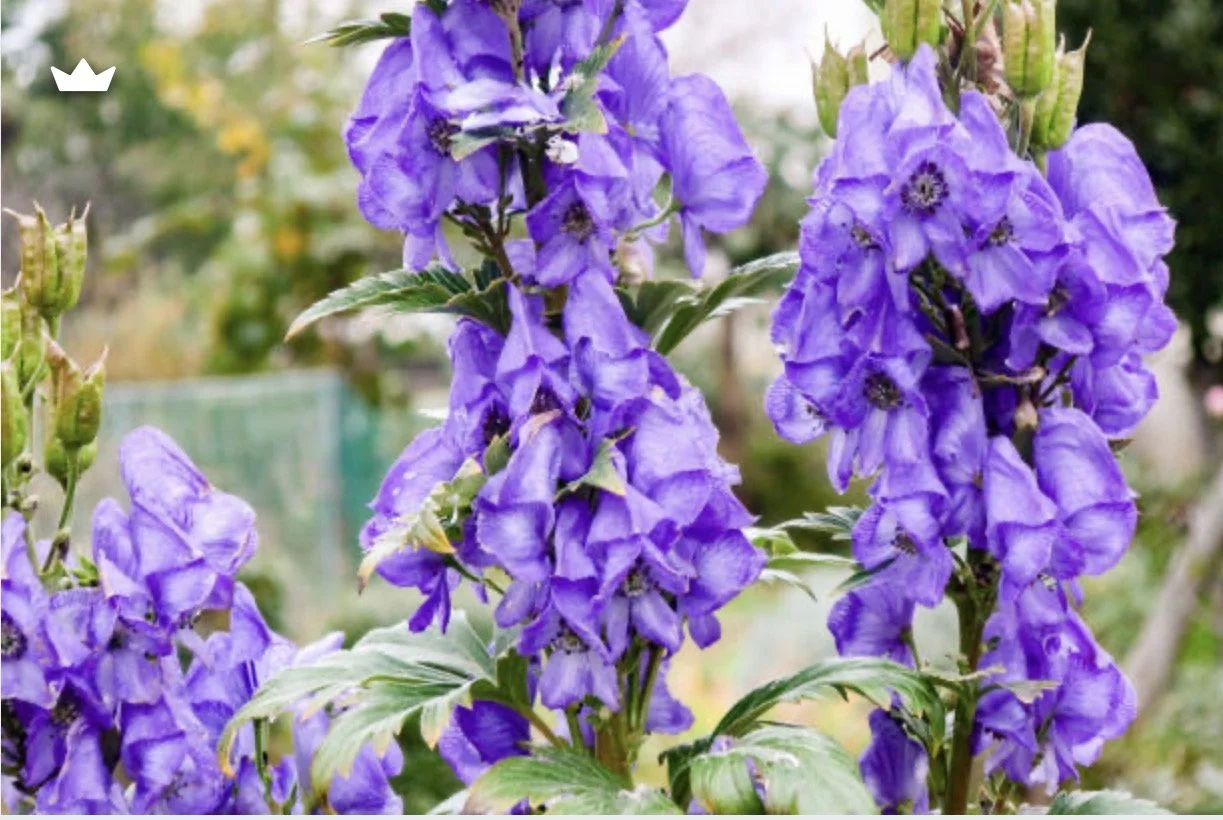
Skullcap (Scutellaria spp.) — Overview and Benefits
What it is
Skullcap is a genus of flowering plants in the mint family (Lamiaceae). Two commonly used species in herbal practice are American skullcap (Scutellaria lateriflora) and Chinese/blue skullcap (Scutellaria baicalensis). American skullcap is traditionally used in North American herbalism for nervous-system support; Chinese skullcap is more often used in Traditional Chinese Medicine for inflammation, liver support, and as an antimicrobial/antiviral agent.
Main traditional and contemporary uses
Nervous system support and calming: American skullcap is valued as a gentle nervine — used to ease mild anxiety, reduce nervous tension, promote relaxation, and support sleep onset. It’s often included in bedtime blends and formulas for stress-related sleeplessness.
Sleep support: Used to help promote restful sleep without heavy sedation, particularly when stress or an overactive mind contributes to insomnia.
Muscle relaxation: Traditionally used to ease nervous tension that contributes to muscle tightness and spasms.
Mild pain relief: Sometimes used for headaches and nerve-related discomfort, often as part of a synergistic formula.
Anti-inflammatory and antioxidant effects: Particularly noted for Chinese skullcap (S. baicalensis), whose flavonoids (baicalin, baicalein, wogonin) show anti-inflammatory and antioxidant activity in laboratory and some clinical contexts.
Liver support and systemic detoxification (S. baicalensis): In TCM, Chinese skullcap is used to clear heat and dampness and to support liver function.
Immune and antimicrobial actions (S. baicalensis): Lab studies show antiviral and antibacterial properties for certain constituents; these findings have spurred interest but don’t replace standard medical treatment.
Active constituents
Flavonoids (baicalin, baicalein, wogonin, scutellarin) — contribute to anti-inflammatory, antioxidant, and nervous-system effects.
Tannins, volatile oils, and bitter principles — contribute to overall pharmacology and taste.
Forms and typical dosing (general guidelines)
Dried herb as tea: 1–2 teaspoons per cup; steep 10–15 minutes. Often used for mild calming effects.
Tincture (1:5 in 40–60% alcohol): Common dosing ranges from 1–2 mL (20–40 drops) taken 1–3 times daily; follow product labeling.
Capsules/extracts: Dosage varies by concentration—follow manufacturer directions.
Standardized extracts (S. baicalensis): dosed according to active flavonoid content per product guidance.
Safety, precautions, and interactions
Pregnancy and breastfeeding: Avoid. Insufficient safety data; traditional guidance recommends against use.
Liver considerations: While S. baicalensis is used for liver support in TCM, isolated reports and some concerns have linked certain skullcap products to liver toxicity when adulterated or contaminated. Use high-quality, authenticated products from reputable suppliers. If you have liver disease or take hepatically metabolized medications, consult a clinician before use.
Drug interactions: Skullcap may potentiate sedatives, anxiolytics, or sleep medications (e.g., benzodiazepines, benzodiazepine-like drugs, barbiturates, alcohol). Caution if combining. Chinese skullcap constituents may affect cytochrome P450 enzymes; check with a pharmacist or clinician if you take prescription medications.
Allergies: Those allergic to mint-family plants should exercise caution.
Side effects: Generally well tolerated at common doses; possible mild gastrointestinal upset or drowsiness. Excessive doses can increase sedation.
Quality and sourcing
Choose products from reputable, transparently sourced suppliers. Look for species identification (American vs. Chinese skullcap), third-party testing for contaminants (heavy metals, pesticides, microbial), and clear dosing information.
Small-batch, hand-crafted preparations (like our ritual blends and teas) emphasize freshness and traceability—helpful for predictable effects and safety.
How it’s used in practice
Nighttime tea for mellowing an anxious mind and encouraging sleep.
Blended with complementary nervines (e.g., chamomile, lemon balm, passionflower) to enhance calming effects.
Included in ritual or contemplative blends to support relaxation, gentle introspection, and stress release.
Bottom line Skullcap is a versatile, traditionally respected herb for gentle nervous-system support, relaxation, anti-inflammatory benefits.
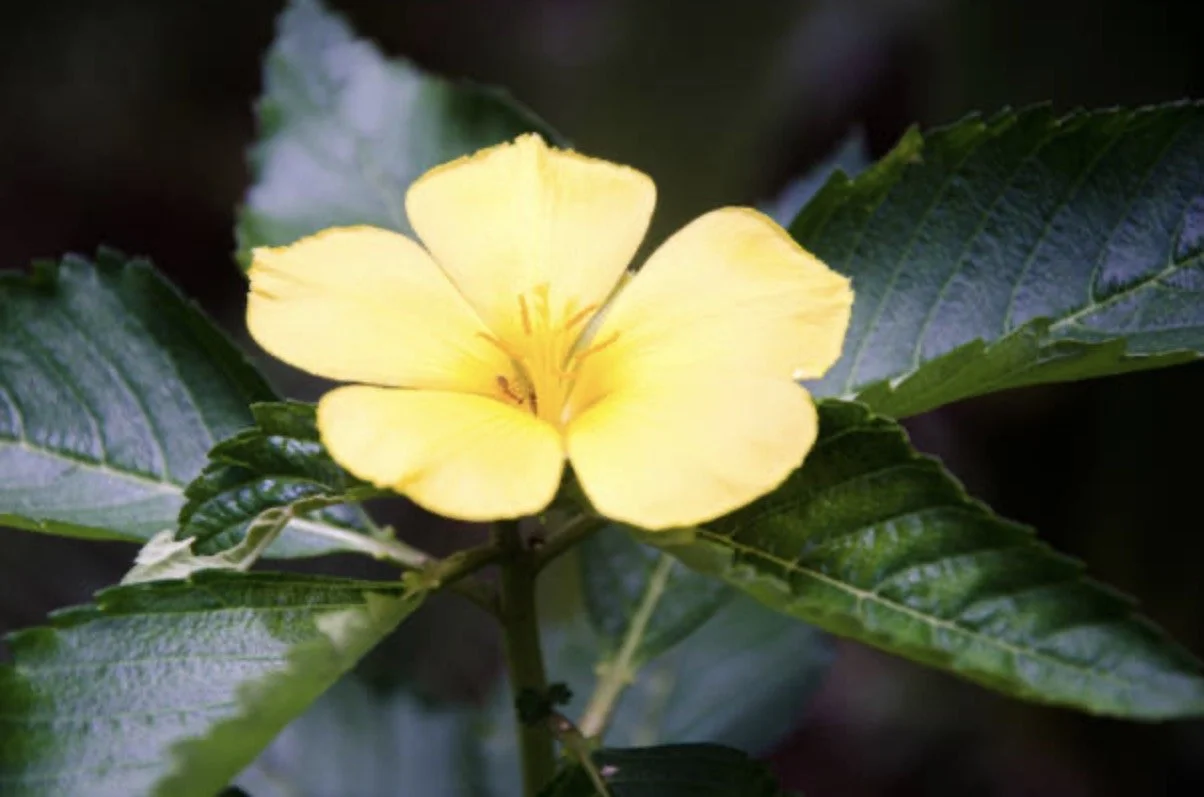
Damiana (Turnera diffusa) — Overview and Benefits
What it is
Small shrub native to Mexico, Central and South America, and the Caribbean.
Leaves have a long history of traditional use for medicinal, aphrodisiac, and ritual purposes.
Used as a smoking herb, in teas, tinctures, and formula blends.
Traditional and contemporary uses
Aphrodisiac and sexual support: Historically used to support libido and sexual function in both men and women. Many traditional reports and some modern herbalists consider it a gentle aphrodisiac that may help increase sexual interest and ease performance anxiety.
Mood and mild anxiolytic effects: Often used to promote a calm, uplifted mood. Users report mild relaxation and reduced anxious tension without heavy sedation.
Mild stimulant/energizing properties: In herbal smoking blends and teas, damiana can offer a gentle, clear-headed lift that some describe as subtly stimulating while also relaxing.
Digestive support: Traditionally used to aid digestion and relieve mild gastrointestinal discomfort or bloating.
Menopausal and hormonal support: Sometimes used to ease symptoms associated with menopause, including low mood and decreased libido, likely because of its overall tonic and mood-supporting properties.
Active constituents and possible mechanisms
Contains flavonoids, volatile oils, and trace alkaloids. These compounds likely contribute to its nervine (nerve-supporting), tonic, and mild stimulant effects.
Research is limited and mostly preliminary; many traditional benefits are supported primarily by ethnobotanical reports and small studies rather than large clinical trials.
Forms and use
Tea: Steep 1–2 teaspoons of dried damiana leaf per cup of hot water for 5–10 minutes. Adjust strength to taste.
Smoking blends: Commonly combined with other ritual or smoking herbs for flavor, ritual use, or blended effects. Uncle Jesse’s small-batch blends use carefully sourced damiana for quality and freshness.
Tincture: Alcohol or glycerin extracts deliver a concentrated dose; follow product dosing instructions or consult an herbalist.
Capsules/extracts: For convenience; follow label directions.
Safety and precautions
Generally considered safe in traditional use at customary doses. Adverse effects are uncommon but can include headaches, insomnia, or gastrointestinal upset in sensitive individuals.
Not recommended in pregnancy or breastfeeding due to lack of safety data.
People with diabetes should use caution and monitor blood sugar, as damiana may affect glucose metabolism.
May interact with medications that affect the liver or central nervous system; consult a healthcare provider if you take prescription medications or have chronic health conditions.
Avoid excessive use; very high doses may be toxic (animal studies suggest this), so stick to traditional dosing ranges.
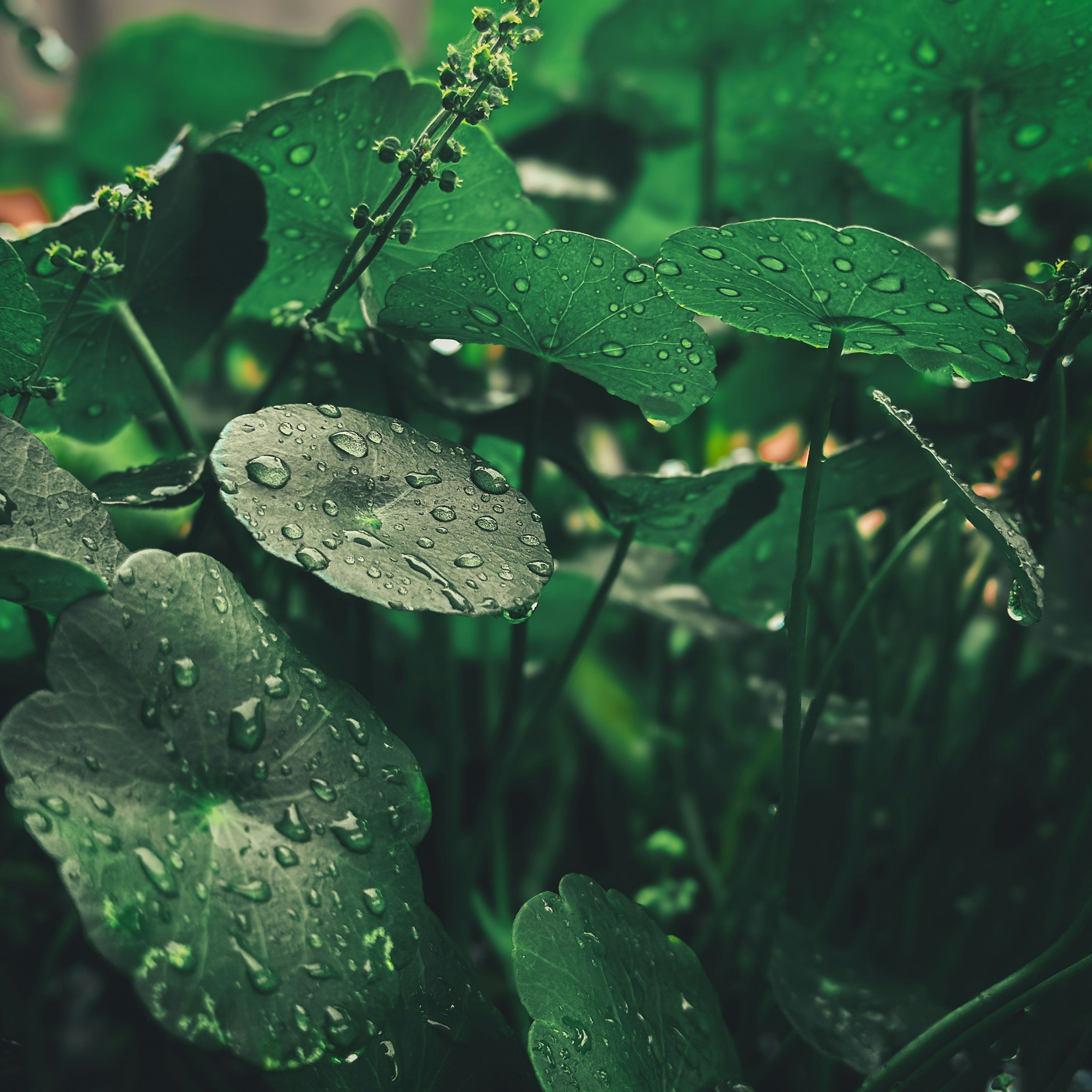
Gotu kola (Centella asiatica) — an herb long used in Ayurvedic, Traditional Chinese, and Southeast Asian folk medicine — offers a range of potential benefits supported by traditional use and a growing body of research.
What it is
A perennial creeping herb with fan-shaped leaves, often consumed as a tea, tincture, extract, fresh leaf, or standardized supplement.
Common names: gotu kola, centella, asiatic pennywort.
Key potential benefits
Cognitive support and memory: Some studies suggest gotu kola may improve memory, attention, and overall cognitive function, particularly in age-related cognitive decline and mild cognitive impairment. Mechanisms proposed include neuroprotective antioxidant effects and promotion of neuronal dendritic arborization.
Mood and anxiety reduction: Gotu kola appears to have anxiolytic and stress-reducing properties in both animal and limited human studies. It may help lower anxiety and improve sleep quality when used as part of stress-management protocols.
Circulation and venous health: Active compounds (triterpenoids like asiaticoside and madecassoside) may strengthen connective tissue, improve venous tone, and reduce symptoms of chronic venous insufficiency, varicose veins, and leg swelling. It’s also used for hemorrhoids and post-surgical edema.
Wound healing and skin health: Topical formulations of gotu kola extracts are associated with enhanced wound healing, increased collagen synthesis, and improved skin elasticity—useful in minor cuts, burns, scars, and age-related skin changes.
Anti-inflammatory and antioxidant effects: The herb demonstrates anti-inflammatory and antioxidant activities, which may underlie many of its therapeutic effects, from neuroprotection to skin repair.
Metabolic and circulatory benefits: Preliminary data indicate potential to modestly influence blood lipid profiles and blood sugar regulation, but evidence is limited and requires further research.
Typical uses and preparations
Tea: Dried or fresh leaves steeped as an herbal infusion for mild cognitive or calming effects.
Extracts/tinctures: Standardized liquid extracts or ethanolic tinctures for consistent dosing.
Capsules/tablets: Standardized supplements providing measured amounts of active triterpenoids.
Topical creams/gels: For wounds, scars, and varicose veins.
Safety and precautions
Generally well tolerated in recommended doses. Side effects can include gastrointestinal upset, headache, dizziness, or allergic skin reactions.
Long-term or high-dose use may cause liver enzyme elevations in rare cases; periodic monitoring is prudent if used chronically at higher doses.
Avoid during pregnancy and breastfeeding unless supervised by a qualified healthcare provider — safety data are limited.
May interact with sedatives (additive CNS depression) and certain medications affecting the liver or circulation. Consult a healthcare professional if you take prescription drugs or have chronic health conditions.
Use caution with alcohol and hepatotoxic substances.
Quality and sourcing considerations
Choose products standardized for key triterpenoids (asiaticoside, madecassoside) when targeting therapeutic effects.
Look for clean sourcing and third-party testing to minimize contaminants (heavy metals, pesticides).
Fresh, small-batch preparations (like teas or handcrafted extracts) offer a gentle, traditional approach consistent with ritual and holistic use.